The Evolution and Mechanics of the Modern Slot Machine
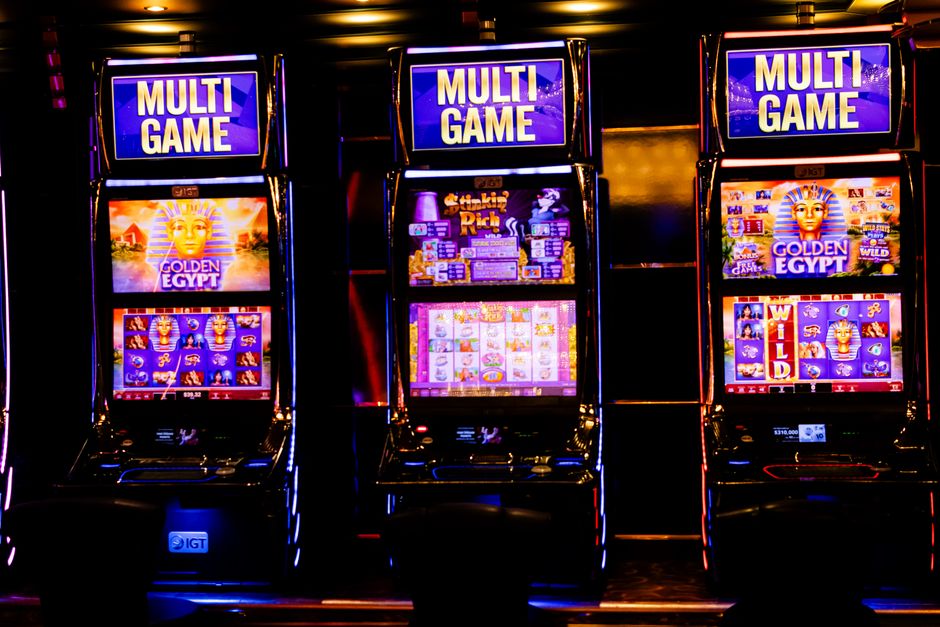
The humble slot machine, often simply called a slot, has undergone a remarkable transformation over the past century. What began as a simple mechanical gambling device in the late 19th century has evolved into a multi-billion-dollar global industry, driven by cutting-edge software, immersive graphics, and complex algorithms. Today, whether found on the bustling floor of a Las Vegas casino or accessed through a mobile app, the modern slot remains the most popular and accessible form of gambling worldwide. This article delves into the mechanics, psychology, and technological evolution of the modern slot, offering a comprehensive overview for both casual players and industry professionals.
From Liberty Bell to Megaways: A Brief History
The origins of the slot machine can be traced back to 1895, when Charles Fey, a San Francisco mechanic, invented the Liberty Bell. This early mechanical slot featured three spinning reels and five symbols: horseshoes, diamonds, spades, hearts, and the Liberty Bell. A winning combination of three Liberty Bells paid out the maximum prize of 50 cents. This simple concept proved wildly popular, sparking a wave of imitations and innovations. The iconic 'Bar' symbol, now a staple of classic slot designs, actually originated from the logo of the Bell-Fruit Gum Company, which awarded gum as prizes to circumvent early gambling laws. The mid-20th century saw the rise of electro-mechanical machines, allowing for more complex games and larger jackpots. The true revolution began in the 1990s with the advent of the video slot, which replaced physical reels with a digital display. This shift unlocked limitless creative potential, enabling the incorporation of multiple paylines, bonus rounds, and intricate themes. Today, the slot landscape is dominated by video slots featuring 5 reels, hundreds of paylines, and innovative mechanics like Megaways, which changes the number of symbols on each reel per spin, offering up to 117,649 ways to win.
The Core Mechanics: RNGs, RTP, and Volatility
At the heart of every modern slot machine, whether physical or digital, lies a piece of software called the Random Number Generator (RNG). This algorithm continuously generates thousands of random numbers per second, even when the machine is not being played. When a player presses the spin button, the RNG instantly selects a set of numbers that correspond to the positions of the symbols on the reels. This ensures that every spin is independent of the previous one and completely unpredictable. Understanding two key metrics is essential for any serious player: Return to Player (RTP) and Volatility. RTP is a theoretical percentage representing the average amount of all wagered money a slot is programmed to pay back to players over an extremely long period of time. For example, a slot with a 96% RTP means that for every $100 wagered, the game is expected to return $96 in winnings, though individual sessions can vary wildly. Volatility, also known as variance, describes the risk level of a game. Low volatility slots pay out small, frequent wins, ideal for players seeking extended playtime. High volatility slots, conversely, pay out larger sums but less frequently, often requiring a larger bankroll to withstand the dry spells. Professional players often seek out high RTP slots with a volatility profile that matches their personal risk tolerance.
The Psychology of the Spin: Why We Play
The allure of the slot extends far beyond simple chance. Game developers employ sophisticated psychological principles to maximize player engagement. The 'near miss' effect, where two jackpot symbols appear with the third just off the payline, is a powerful trigger. Neuroscientific research shows that a near miss activates the same reward pathways in the brain as an actual win, encouraging the player to continue spinning in pursuit of the elusive full combination. Audio-visual feedback is meticulously crafted. The celebratory music, flashing lights, and haptic vibrations (on mobile devices) associated with a win—even a small one—create a Pavlovian response that conditions the player to associate the slot experience with pleasure. This is further amplified by the 'loss disguised as a win' (LDW) phenomenon. In slots that use credits instead of currency, a spin that pays back a fraction of the original bet is often accompanied by the same positive audio and visual cues as a true profit-win, tricking the player's brain into perceiving a loss as a positive outcome. Finally, the variable ratio reinforcement schedule—the random and unpredictable timing of rewards—is the most effective known method for reinforcing behavior, making the slot one of the most habit-forming games ever designed.
The Future: Megaways, Clusters, and Virtual Reality
Innovation in the slot industry shows no sign of slowing down. The advent of Megaways mechanics by Big Time Gaming has been one of the most significant recent disruptors, as mentioned earlier. Cluster pays mechanics, often popularized by NetEnt's 'Aloha! Cluster Pays,' replace traditional paylines with clusters of matching symbols that pay from any position, encouraging a more fluid visual experience. Another crucial trend is the integration of 'Buy Feature' options, which allow players to pay a premium to instantly trigger a game's bonus round, bypassing the base game entirely. This has proven divisive, as it increases volatility but caters to players seeking immediate action. Looking further ahead, the industry is experimenting with Virtual Reality (VR) and Augmented Reality (AR) slots. VR promises fully immersive casino environments where players can walk around and interact with 3D slot machines, while AR could bring slot elements into the player's physical environment. Blockchain technology is also making inroads, with provably fair slots and cryptocurrency-based wagering offering transparent and decentralized play. Regardless of the technological platform, the fundamental appeal of the slot—the thrill of the unknown, the tension of the spin, and the dream of a life-changing jackpot—will continue to drive its global popularity.
For more detailed reviews of the latest games and a curated selection of high-RTP slots, explore our resources at slot.